
About
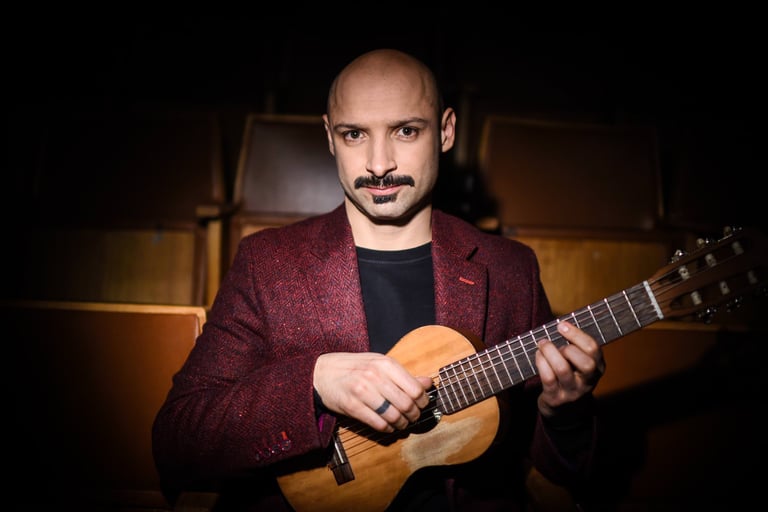
Jurgis Didžiulis (Jurgis Did) is living proof that music can do far more than entertain. A Transformational Troubadour, Corporate Edutainer, and Community Catalyst, he works at the intersection of music, organizational culture, leadership development, and community building. For more than two decades, his work has explored how sound, story, and collective experience can unite people, shape identity, and transform how groups relate, collaborate, and perform.
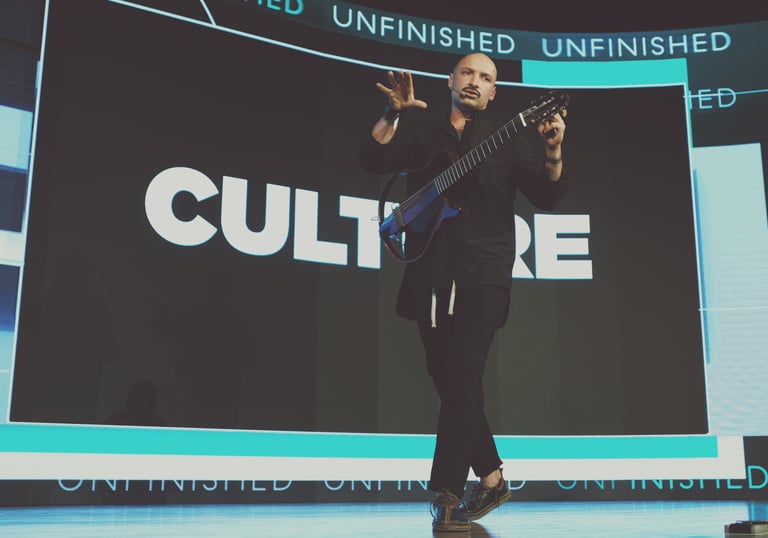
He is a keynote speaker, facilitator, and experiential learning designer whose work blends musical co-creation, refined space-holding, and sharp, engaging oratory. Through this distinctive approach, he helps individuals find their voice, teams build trust, and organizations strengthen their culture. His work supports greater alignment, emotional intelligence, engagement, and collective flow across companies, institutions, and communities.
He calls this elevated state of shared presence and performance: FLUX.
With a mixed Colombian–Lithuanian heritage and degrees in Political Science and Business Administration, Jurgis moves fluently between artistic, civic, corporate, and cultural worlds. His background includes leading award-winning bands, participating in Eurovision, hosting television shows, designing political and educational frameworks, serving in board and diplomatic roles, consulting for the EU, and leading environmental and community initiatives. The consistent underlying thread throughout his colorful career has been to leverage music and creative expression as a tool for meaningful social transformation.
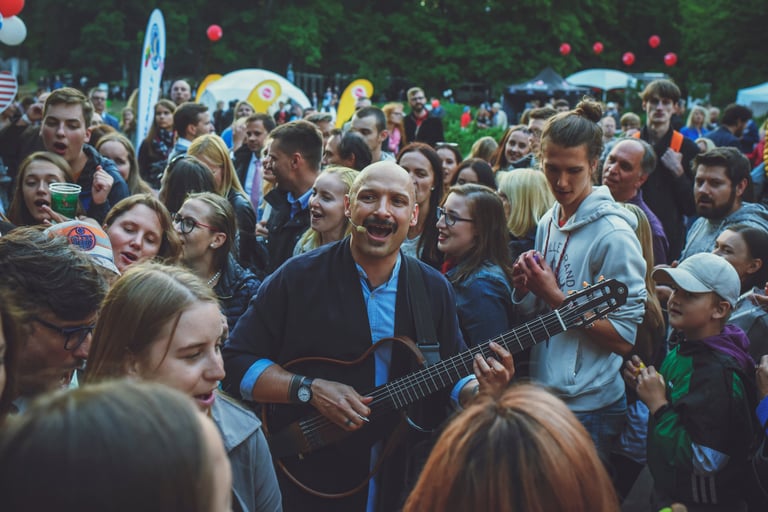
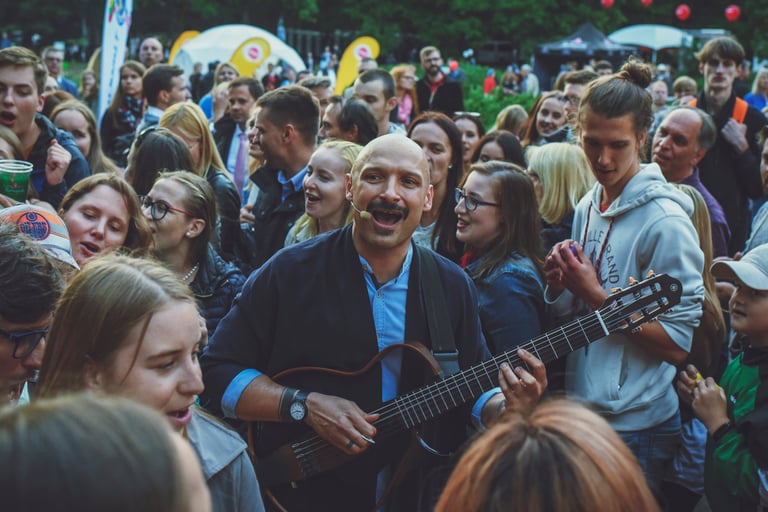
Across packed arenas, executive retreats, international conferences, and intimate community gatherings, Jurgis demonstrates that music can be a practical social technology - one that unites, aligns, and elevates collectives as well as instil a deep sense of belonging and purpose.
Current Focus
1. Collective transformation in organizations and leadership culture
Jurgis has worked with hundreds of organizations worldwide - companies, NGOs, institutions, and purpose-driven communities - designing memorable experiences that unite, activate, and educate. His work addresses leadership, organizational culture, trust, resilience, value alignment, engagement, collaboration, and community building. These experiences help groups not only perform better, but relate better - creating healthier, more coherent teams and cultures.
2. Cultivating human harmony through new musical formats
Through his work in the regenerative, wellness, and social-innovation spaces, Jurgis is developing new forms of collective music-making that reconnect people with one another and with the natural order. These practices and techniques are part of a global movement dedicated to elevating collective conciousness, and upgrading civic acumen by “harmonizing humanity one circle at a time.”
Jurgis believes that for humanity to thrive in the 21st century, we must evolve not only our systems, but our ways of relating—within organizations, communities, and culture at large.
And that a new music, experienced collectively, lived socially, and practiced regularly is essential to making that transformation not only possible, but deliciously irresistible.








About
Jurgis Didžiulis (Jurgis Did) is living proof that music can do far more than entertain. A Transformational Troubadour, Corporate Edutainer, and Community Catalyst, he works at the intersection of music, organizational culture, leadership development, and community building. For more than two decades, his work has explored how sound, story, and collective experience can unite people, shape identity, and transform how groups relate, collaborate, and perform.
He is a keynote speaker, facilitator, and experiential learning designer whose work blends musical co-creation, refined space-holding, and sharp, engaging oratory. Through this distinctive approach, he helps individuals find their voice, teams build trust, and organizations strengthen their culture. His work supports greater alignment, emotional intelligence, engagement, and collective flow across companies, institutions, and communities.
He calls this elevated state of shared presence and performance: FLUX.



With a mixed Colombian–Lithuanian heritage and degrees in Political Science and Business Administration, Jurgis moves fluently between artistic, civic, corporate, and cultural worlds. His background includes leading award-winning bands, participating in Eurovision, hosting television shows, designing political and educational frameworks, serving in board and diplomatic roles, consulting for the EU, and leading environmental and community initiatives. The consistent underlying thread throughout his colorful career has been to leverage music and creative expression as a tool for meaningful social transformation.
Across packed arenas, executive retreats, international conferences, and intimate community gatherings, Jurgis demonstrates that music can be a practical social technology - one that unites, aligns, and elevates collectives as well as instil a deep sense of belonging and purpose.
Current Focus
1. Collective transformation in organizations and leadership culture
Jurgis has worked with hundreds of organizations worldwide - companies, NGOs, institutions, and purpose-driven communities - designing memorable experiences that unite, activate, and educate. His work addresses leadership, organizational culture, trust, resilience, value alignment, engagement, collaboration, and community building. These experiences help groups not only perform better, but relate better - creating healthier, more coherent teams and cultures.
2. Cultivating human harmony through new musical formats
Through his work in the regenerative, wellness, and social-innovation spaces, Jurgis is developing new forms of collective music-making that reconnect people with one another and with the natural order. These practices and techniques are part of a global movement dedicated to elevating collective conciousness, and upgrading civic acumen by “harmonizing humanity one circle at a time.”
Jurgis believes that for humanity to thrive in the 21st century, we must evolve not only our systems, but our ways of relating—within organizations, communities, and culture at large.
And that a new music, experienced collectively, lived socially, and practiced regularly is essential to making that transformation not only possible, but deliciously irresistible.